Nicolò Blasi
Cividale del Friuli: immersione culturale con "Indian Spirit" al Parco Acrobati del Sole
20set2023
CREATOR STORIES


Con l'arrivo della primavera torna la voglia di passare più tempo all'aria aperta. Camminare per me è uno dei modi migliori per farlo. Solo così riesco ad apprezzare il valore del tempo e valutare e avere rispetto per le distanze tra i territori. Sono sicuro che andare a piedi, e farlo lentamente, aiuta a tirar fuori i pensieri migliori e ci rende più ottimisti.
Per Rousseau era impossibile riuscire a pensare e trovare ispirazione se non camminando : << Se mi siedo per scrivere non mi viene in mente nulla >> diceva.
La stessa cosa devono aver provato gli ideatori della scuola di cinema senza sedie “ Visioni in Movimento”. Obiettivo: percorrere in 4 giorni a piedi i circa 75 km che separano Trieste da Aquileia. Passo dopo passo sempre vicinissimi al mare, attraversando la Riserva Naturale dell'Isola della Cona e la cittadina di Grado, si sono cercati spunti e idee per un cortometraggio dedicato al cammino. Una bellissima iniziativa alla quale ho partecipato anch'io per un giorno, camminando per 28 km nella prima tappa da Opicina a Duino e che qui vi racconto.
I registi Matteo Oleotto, Alessandro Rossetto, Giulio Kirchmayr coordinatore del progetto e il presidente dell'associazione Mattador Pietro Caenazzo hanno accompagnato in questa avventura le due vincitrici del premio internazionale Mattador (http://www.premiomattador.it/mattador/) , Ludovica Mantovan (vincitrice per il secondo anno di fila) e Isabella Aquino, che dovranno realizzare i loro documentari, riassumendo in pochi minuti l'esperienza vissuta in 4 giorni da pellegrine. Perché pellegrino è colui che cerca e che cammina lontano da casa. Ed entrambe arrivano da lontano. Ludovica da Venezia e Isabella da Avellino.
Ci incamminiamo avvolti dalla nebbia. Eh già. E' primavera, ma come spesso accade, il mese di marzo ci regala sorprese. Intravedo a malapena l'Obelisco di Opicina. Proprio da qui, sulla strada Vicentina detta anche Napoleonica parte il cammino che, in caso di bel tempo, regala panorami mozzafiato sul golfo di Trieste.
Anche se non posso vedere il mare, gli sono talmente vicino che riesco a sentire il suo profumo. In questa atmosfera surreale, passo dopo passo ci dirigiamo verso il centro abitato di Prosecco. Cammino in coda al gruppo, ma mi accorgo di non essere l'ultimo. Dalla nebbia vedo sbucare una sagoma: è Ludovica. << Tutto ok ? >> le chiedo. << Si grazie, Michele. Questa nebbia è fantastica! Mi sono fermata a fare delle foto. Trovo in questo clima una fonte di ispirazione >>. Anche la giovanissima Isabella non sembra preoccupata dalla mancanza del panorama e dice che è bello poter giocare con il "vedo-non vedo" che questa prima parte di percorso ci regala.
Quando si inizia un cammino, che si tratti solo di pochi km o molti giorni, i rapporti umani vengono favoriti e ci si ritrova spesso a salutare e parlare con sconosciuti. Giulio e Matteo credono molto in questa maniera di fare scuola: << Lavorare insieme camminando. Perché camminare abbatte le gerarchie e permette un confronto più aperto e sereno tra insegnanti e alunni. Vengono favoriti gli scambi di idee e di opinioni e questo per noi è molto importante. >> E io sono d'accordissimo con loro.
Giunti sul sentiero Tiziana Weiss, conosciuto anche come sentiero della salvia, Pietro mi racconta che stiamo seguendo un antico tracciato dei pellegrini, chiamato via Flavia, con l'obiettivo di collegare Trieste agli altri cammini italiani, come la famosa via Francigena e la via Postumia, nonché con il Cammino Celeste che attraversa da sud a nord tutto il Friuli; ottimo non solo per i pellegrini, ma anche per i più sportivi. Per questo è importante collegare Aquileia a Trieste. Una volta giunto ad Aquileia quindi, il viandante ha solo l'imbarazzo della scelta. La ricerca di un tracciato idoneo non è stata semplice. Inevitabilmente, a causa delle caratteristiche geografiche del territorio, bisogna attraversare centri abitati e a volte seppur per pochi metri, alcune strade trafficate. << Non esiste ancora una mappa, ma verrà creata molto presto >>, dice Pietro.
Il percorso è praticamente quasi tutto pianeggiante e non presenta alcuna difficoltà. L'unica fatica che posso sentire è quella del peso dello zaino. Ormai la nebbia si è diradata e posso finalmente ammirare lo spettacolare panorama che questi sentieri offrono. Circondati da una vegetazione varia (dalla carsica in alto alla mediterranea quanto più ci si avvicina al mare), Giulio mi racconta che molti secoli fa queste terre erano coltivate a vite. E i buongustai romani che di vino se ne intendevano, già oltre 2 millenni fa producevano un vino di eccellenza. Agli inizi del XIX sec purtroppo, la necessità di manodopera per il porto di Trieste, spinse gli abitanti della zona a trascurare le vigne, che con il tempo lasciarono posto alla vegetazione attuale. Comunque anche oggi il buon vino non manca da queste parti, come ad esempio il Terrano. E così come "vedevo" il poeta ceco Rainer Maria Rilke mentre passeggiava sul suo sentiero che raggiungeremo tra poco, non posso fare a meno di pensare agli antichi romani. Li immagino mentre percorrono la stessa strada che sto calpestando in questo momento, e al posto degli zaini vedo ceste cariche di uva pregiata.
Sarà la fame? Può darsi. Non potevamo fermarci in un posto migliore per consumare il nostro pranzo al sacco e alleggerire lo zaino. Ci troviamo all'inizio del sentiero Rilke, nei pressi dell'ufficio turistico di Sistiana. Da qui, lo sguardo sul golfo di Trieste spazia da una parte all'altra dell'Adriatico, dalla baia sotto di noi fino raggiungere la costa croata. Una gioia per gli occhi. Un modo per saziare lo stomaco, ma anche lo spirito.
Percorso tutto il sentiero, attraversiamo in fine il centro di Duino e prendiamo un altro comodo tracciato che ci conduce al Villaggio del Pescatore e alle risorgive del Timavo. Se venite da queste parti, passate a salutare Antonio, il più grande dinosauro completo mai rinvenuto in Italia. Il sentiero attraversa un sito paleontologico.
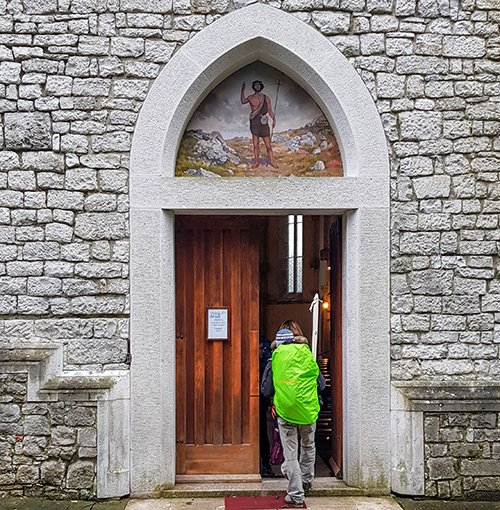
Ormai la lunga passeggiata sta per concludersi, ma proprio sul finale scopro qualcosa di straordinario. Un vero gioiello storico artistico completamente immerso nello scenario naturale. Qui a San Giovanni di Duino, nei pressi delle risorgive di uno dei fiumi più corti d'Europa, il Timavo, si trova la piccola chiesa di San Giovanni in Tuba. Consiglio assolutamente una visita (aperta il giovedì dalle h 10 alle h 12, ma meglio informarsi prima). Una curiosità: se sentite suonare una tromba mentre siete da queste parti, potrebbe essere il momento di salutare amici e parenti. Vi trovate in un punto speciale del pianeta Terra. Una leggenda dice che proprio qui nel giorno del Giudizio, prima del diluvio universale, un angelo suonerà la sua tromba. Accadrà solo in altri 3 posti al mondo.
Stanchi ma soddisfatti ci avviamo verso la frazione di Medeazza dove si conclude questa lunga passeggiata. E' quasi ora di cena e credo che non ci sia modo migliore per assaggiare i prodotti tipici del territorio, accompagnati da un buon bicchiere di vino del Carso, che andare in una osmiza. Così posso salutare in allegria i miei compagni di avventura che l'indomani si rimetteranno in cammino (quanta invidia!). Una lunga passeggiata che ha soddisfatto anche le due giovani video makers che escono arricchite da questa esperienza. In fondo camminare è anche questo. Stare a contatto con la natura, provare stanchezza e gioia, stare insieme e scoprire pezzi di mondo nuovo, con le sue storie e le sue leggende. Anche in quei luoghi dove, noi che ci viviamo, crediamo di conoscere già tutto. Questo per me significa andare a piedi.
Adesso aspetto solo di poter vedere il lavoro di Ludovica e Isabella. Sono sicuro che avrò molto altro da imparare e altri nuovi stimoli per mettermi in cammino in FVG.
Note: Km 28; percorso pianeggiante adatto anche a mountain bike.


Find out about the ideas and offers for this experience in Friuli Venezia Giulia

 Anna Cum

 Anna Venuti

 Claudia Piol
